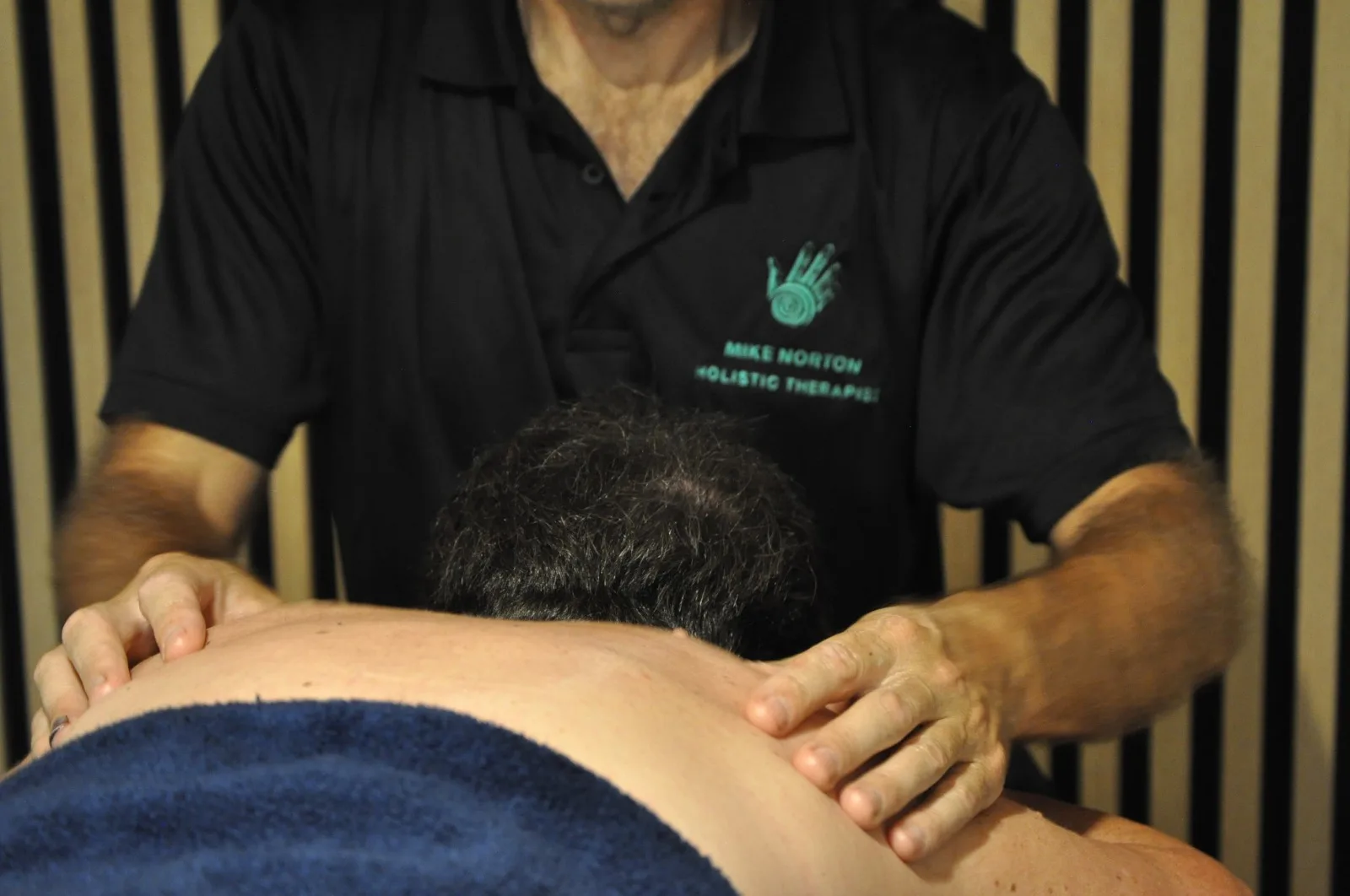
We’ve all been taught that if a deep tissue massage doesn't hurt, it isn't working. In reality, asking your therapist to push harder than your body can handle actually works against your recovery.
Here is what happens behind the scenes when pressure goes too deep:
The "Fight or Flight" trigger
Your nervous system is constantly scanning for threats. When massage pressure crosses the line from "good, productive discomfort" into sharp pain, your brain perceives an attack. It instantly switches into sympathetic mode (fight-or-flight).
Muscle guarding
Once you enter sympathetic mode, your body floods with stress hormones like adrenaline and cortisol to protect itself. Your muscles instinctively tense up, brace, and contract to shield the area. Instead of melting away, the knots actually lock down harder.
The breathing test
Pay attention to your breath on the table. If you find yourself holding your breath, curling your toes, or clenching your jaw to "endure" the pressure, your nervous system is stressed. True muscle release only happens when your body feels safe enough to shift into parasympathetic mode (rest-and-digest).
The takeaway: You can’t force a muscle to relax by fighting it. The most effective pressure is the "sweet spot" that feels firm and therapeutic, while still allowing you to breathe deeply and stay relaxed.
Never be afraid to speak up and ask your therapist to ease up... Your muscles will thank you for it!